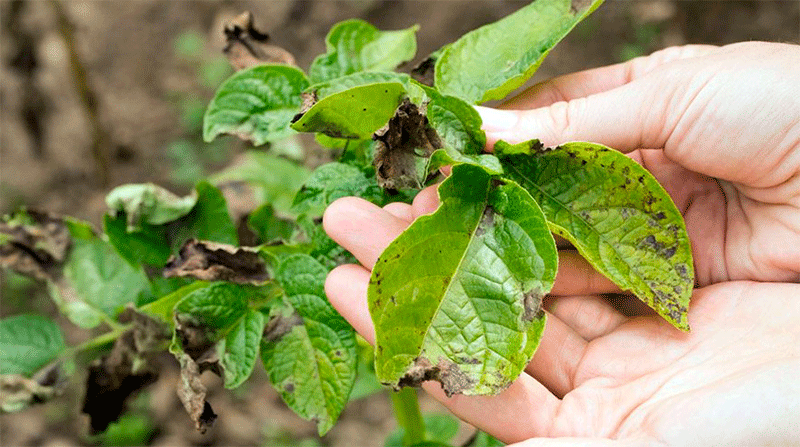
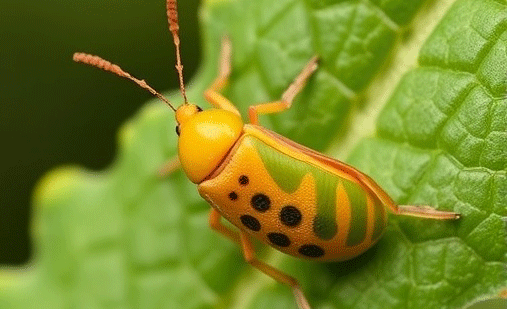
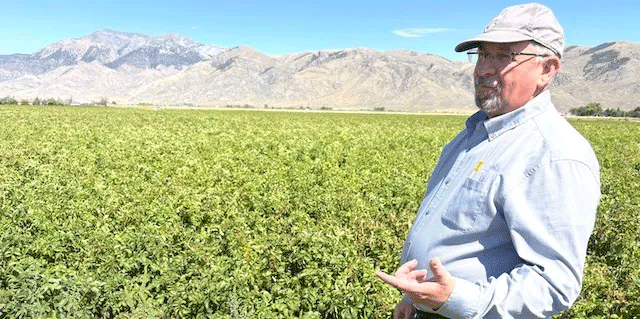
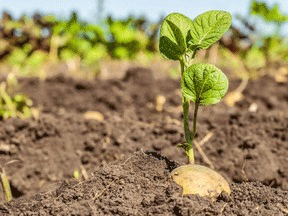
В рекомендациях L Triple Green Tech, которыми поделился Эварист Нсабимана, подчёркнута роль здорового семенного материала, обследования полей и интегрированной защиты. Сообщение не свидетельствует о подтверждённой вспышке в Руанде.
IHAR-PIB сообщил о награде Паулины Палуховской за исследования устойчивости к вирусу Y картофеля. Научная работа, опубликованная в 2024 году, описывает потенциальные генетические ресурсы для селекции.
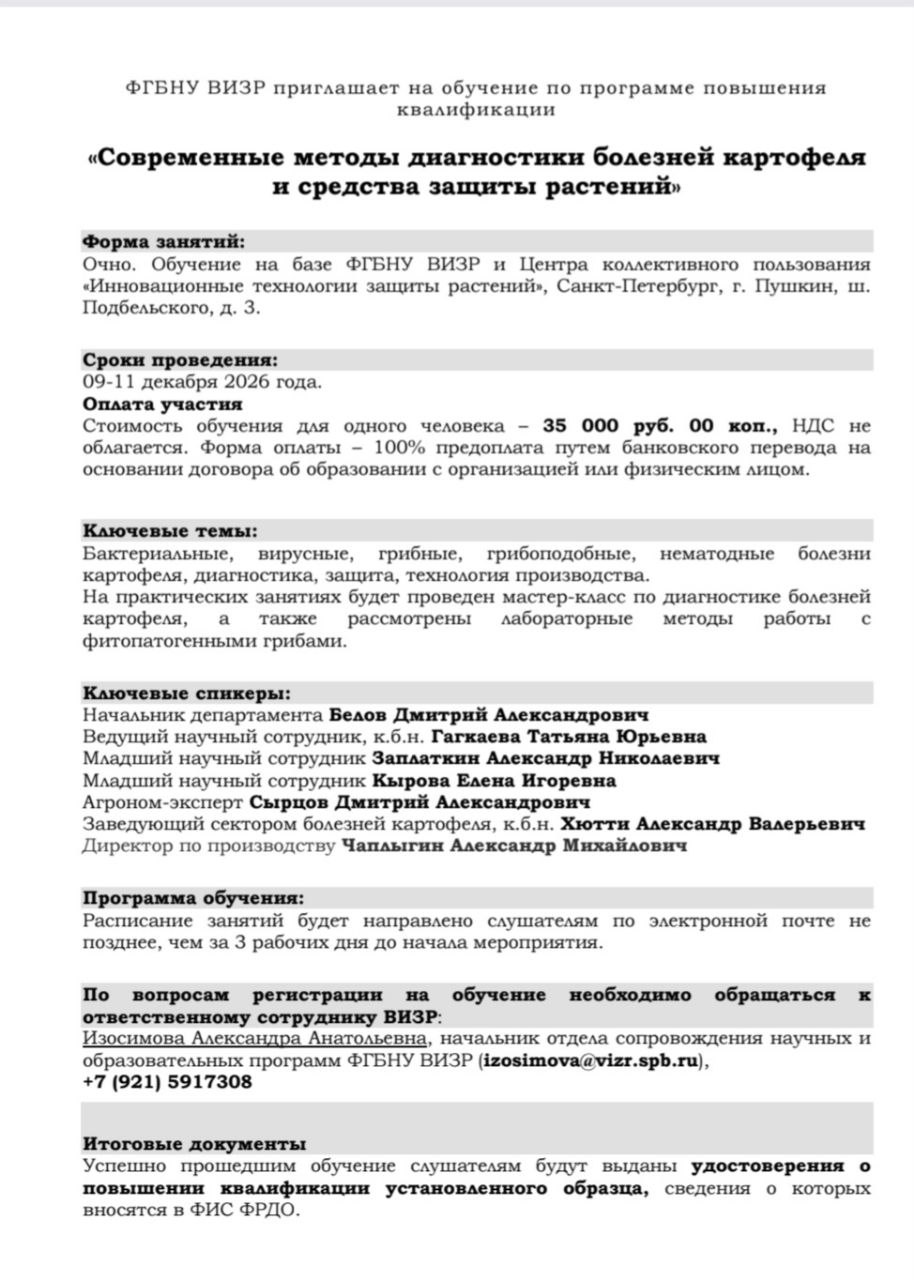
9–11 декабря 2026 года в Пушкине пройдёт очный курс ВИЗР по диагностике болезней картофеля и защите растений. В программе — практические занятия; стоимость участия — 35 000 рублей.
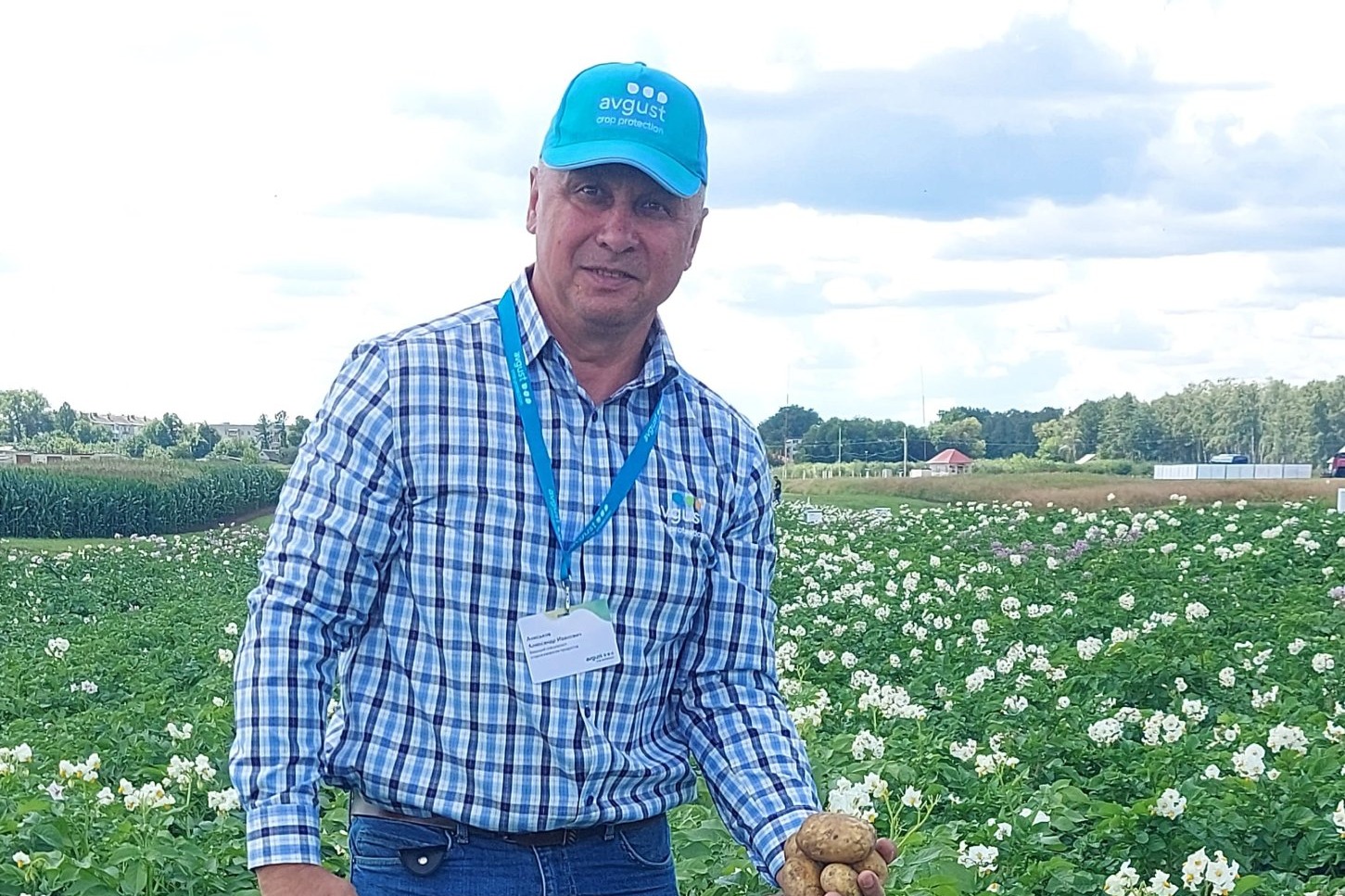
После мокрой осени во многих регионах России Александр Аниськов («Август») называет бактериальные гнили главной угрозой для картофеля в хранилищах, на втором месте — питиозная гниль. Он рассказал, когда помогает обработка клубней при закладке, какие ошибки встречаются чаще…
The Republican Unitary Enterprise "Institute of Plant Protection" (Priluki) has issued a critical alert for the 2026 growing season following the detection of an aggressive A2 mating type of Phytophthora infestans that exhibits clear resistance to metalaxyl and…
In Belarus, where potatoes are a staple food, two formidable fungal-like diseases—late blight (Phytophthora infestans, literally "plant destroyer") and early blight (Alternaria)—constantly threaten solanaceous crops like tomatoes, peppers, and eggplants. Though their symptoms can look similar, confusing…
A worrying outbreak of late blight (Phytophthora) has been detected in private household plots across the region—and this is particularly concerning because these small-scale farms supply over 65% of the area’s potatoes. With many gardeners already reporting…
According to the Omsk branch of the Rosselkhozcenter, potato fields in the region are facing a severe outbreak of phytophthora (late blight), a fungal disease that can destroy over 70% of the harvest. The danger lies in…
The fight against the Colorado potato beetle in 2026 looks drastically different from a decade ago. Warmer winters, extended warm periods, and the beetle's growing resistance to chemicals have turned traditional protection strategies into largely ineffective measures.…
A pioneering study published in BMC Genomics by researchers Whitehead, Karley, and Darby has shattered a critical assumption in pest management: that clonally reproducing potato aphids (Macrosiphum euphorbiae) are genetically uniform. Using advanced genomic sequencing, the team discovered a…
For potato growers and agronomists in Eastern Idaho, the 2025 growing season is presenting a significant challenge. Researchers with the University of Idaho Extension have documented that aphid pressure is not only higher than previous years but…
The regulatory landscape for nematicides has shifted dramatically, placing potato growers in a tight spot. The EU ban on aldicarb and severe restrictions on metham sodium and 1,3-dichloropropene, coupled with the upcoming 2026 phase-out of oxamyl in…
In the heart of Russia's Ural Mountains, where a short growing season and fungal pressures define agricultural life, farmers are demonstrating how modern science and meticulous management can secure a food supply. Despite losing 15% of their…
Potato growers on Prince Edward Island are demonstrating unprecedented vigilance against aphid threats, with participation in the provincial aphid surveillance program nearly doubling this season. This increased commitment to monitoring reflects growing concerns about the dual threats…
Wireworms thrive in poorly managed agricultural systems. One major reason for their proliferation is crop rotation neglect. Repeatedly planting susceptible crops like potatoes, carrots, or beets in the same field leads to a buildup of wireworm populations. According…
In 2024, Spain’s potato production saw a 0.6% increase, reinforcing its stability in the agricultural sector (Eurostat, 2024). Meanwhile, processed tomato exports surged by 22% in 2023, solidifying Spain’s position as a key player in the global horticultural market…
Potato late blight (Phytophthora infestans) remains one of the most destructive diseases in agriculture, causing significant yield losses worldwide. Recently, a new strain, 43_A1, has been detected in Europe, showing resistance to carboxylic acid amide (CAA) fungicides, including mandipropamide…
Farmers and agronomists in Russia’s Kurgan region are making progress in the fight against the golden potato nematode (Globodera rostochiensis), a destructive pest that threatens potato yields. Recent data shows a reduction in quarantine zones, but long-term…
Powdery scab is a soil-borne disease that thrives in cool, moist conditions, causing unsightly lesions on potato tubers and galls on roots. Unlike other pathogens, Spongospora subterranea can survive in soil for years as resting spores, making eradication nearly…
Managing soil pH is one of the most effective strategies to prevent potato diseases like common scab. While compost and mulch can enhance potato health, applying lime may backfire—especially in sandy, coastal soils where disease pressure is…
More than 1,600 hectares of agricultural land in Perm Krai, Russia, have been placed under quarantine following the detection of golden potato cyst nematode (Globodera rostochiensis). The pest poses a serious threat to potato production, with potential…
Common scab is a persistent problem in potato farming, affecting not only the aesthetic quality of the tubers but also their market value. This disease, which results in brown, scab-like lesions on the surface of potatoes, is…
Met Éireann, The Irish Meteorological Service, has issued a Status Yellow advisory for potato blight across Ireland until tomorrow morning. The national meteorological service indicated that conditions conducive to the spread of potato blight will be particularly…
In Prince Edward Island, watershed groups are actively monitoring potato fields for signs of late blight, conducting weekly checks at twelve locations across the island to detect the spores responsible for the disease. Watershed groups in Prince Edward…
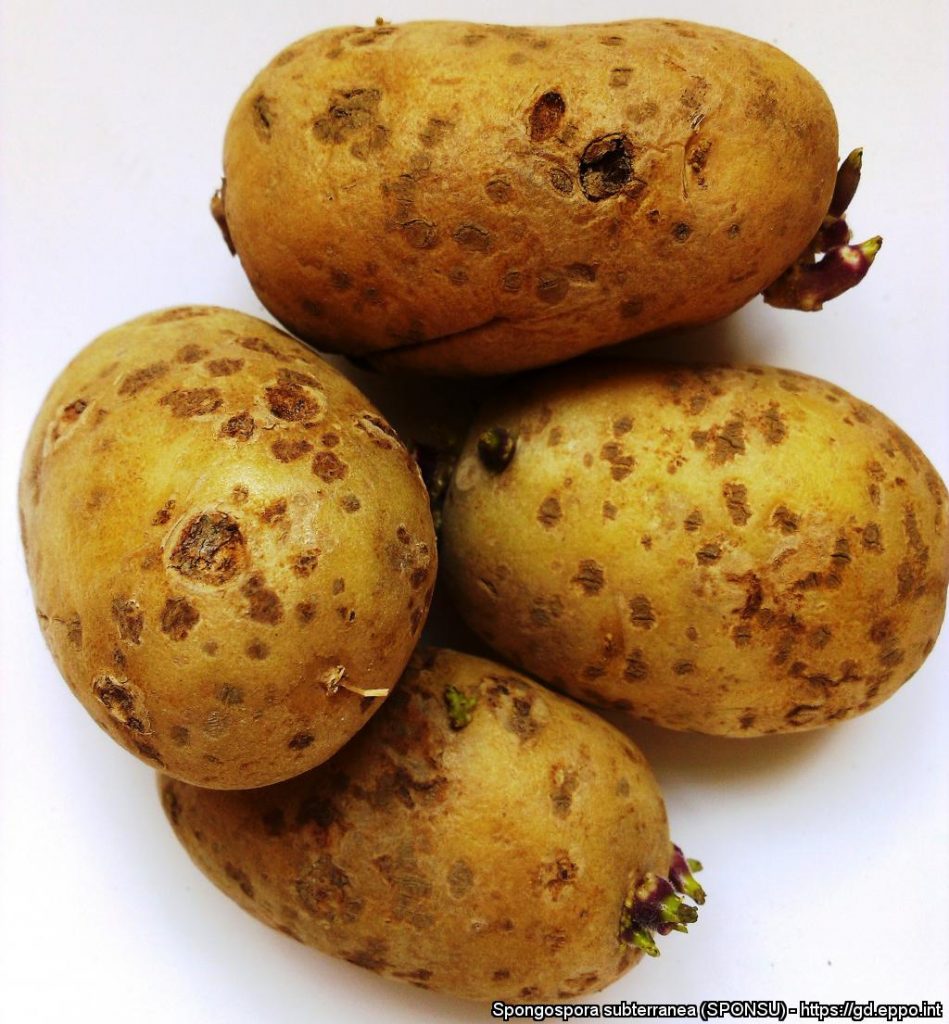
Powdery scab (Spongospora subterranea) is a fungal blemish disease of potatoes (https://gd.eppo.int/taxon/SPONSU). The “powder” is comprised of spore balls (cystosori) that are released into the soil and can survive up to ten years. These release motile zoospores…
Potato late blight is one of the most devastating diseases of potato. In conventional potato production, this mainly controls through a lot of applications of chemical fungicides. Overuse of such products has a risk of pathogen developing…
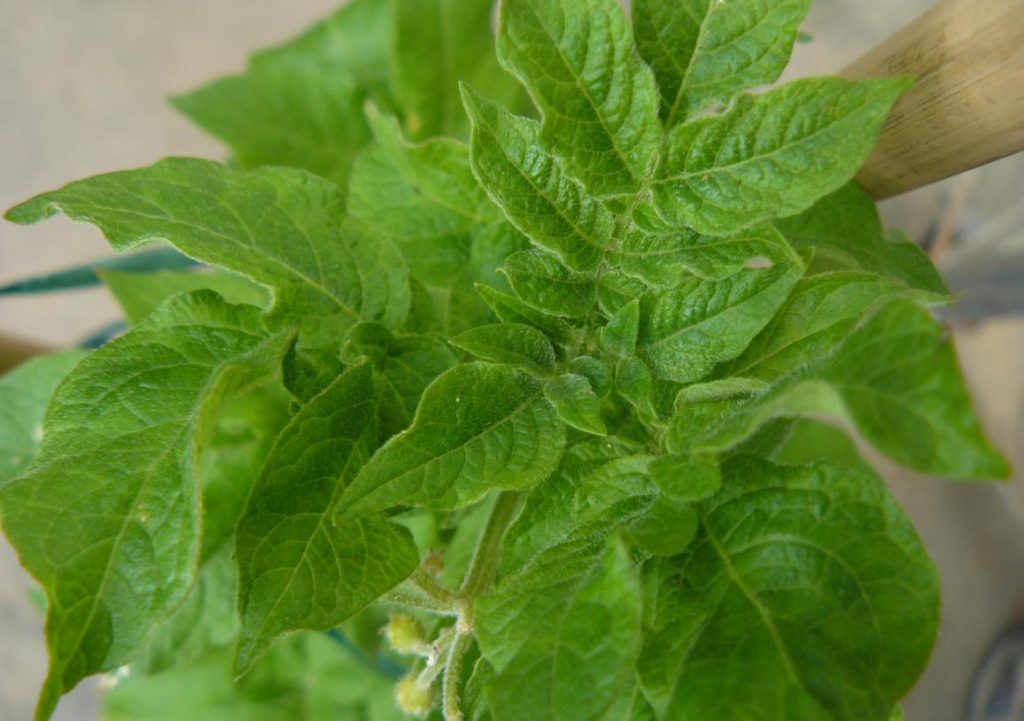
The main virus species in many potato growing regions is Potato Virus Y (PVY). Primary infection of PVY occurs in the growing season and is aphid-borne. The Peach-potato aphid, Myzus persicae, is considered the most efficient vector…
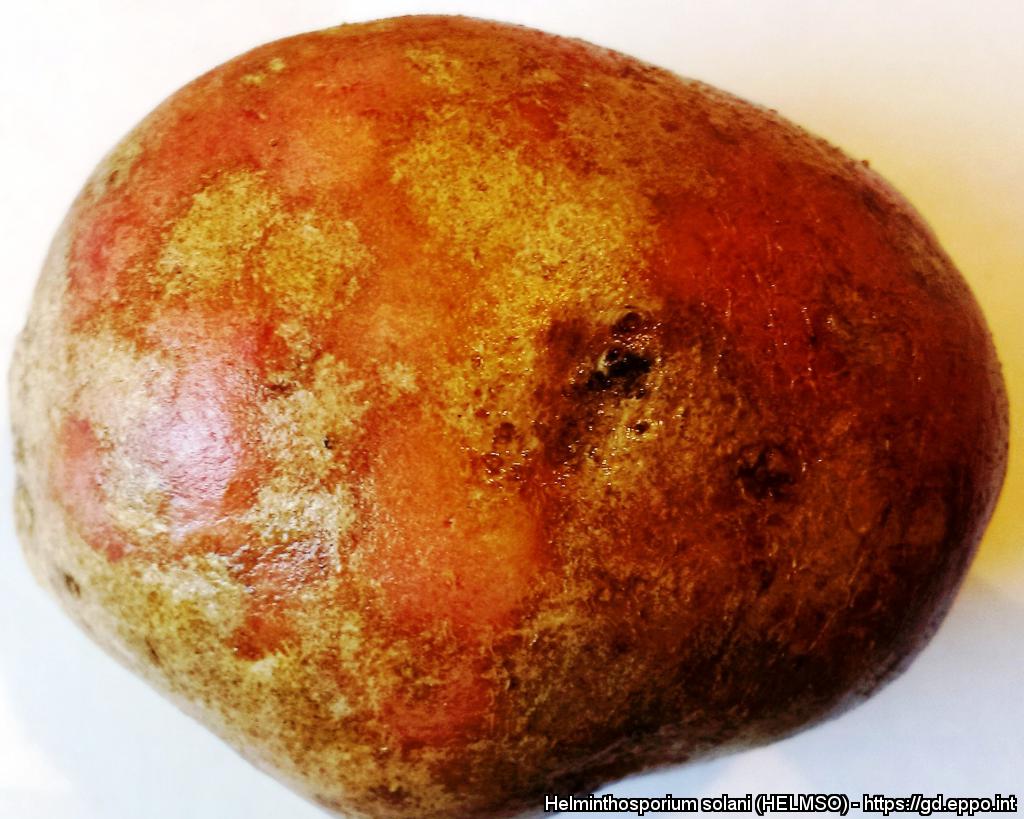
Silver scurf, caused by the fungus Helminthosporium solani, is primarily a blemish disease of potato (Solanum tuberosum) that has become economically important in recent years. Disease symptoms appear on tubers, but not on the haulm or roots,…