
The Critical Role of Efficient Receiving Equipment in Potato Processing Operations
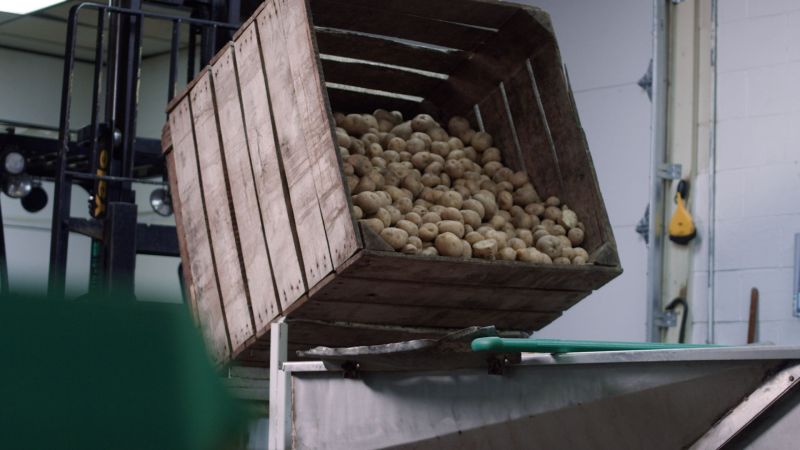
In the potato processing industry, the receiving phase plays a pivotal role in determining the overall efficiency and profitability of operations. As emphasized by Vanmark Equipment, the process of receiving potatoes into a facility is not just a matter of transportation; it directly impacts product quality, equipment performance, and operational continuity.
Efficient potato handling begins with well-designed bulk handling systems and short-term storage solutions. Not all receiving equipment is created equal, and the right choice can significantly reduce product damage and enhance yield. This aspect is particularly critical for those in the potato industry, from farmers and agronomists to processing plant managers, as ensuring minimal damage during intake leads to better overall product quality and reduced waste.
One of the most crucial stages in the receiving process is destoning and washing. Failing to adequately remove debris, dirt, and stones can cause extensive damage to both the product and the equipment. These foreign materials can lead to production halts, broken machinery, and even contamination, all of which increase operational costs due to necessary repairs and increased labor. Proper destoning and washing systems ensure that potatoes are processed efficiently, safeguarding the integrity of the crop while minimizing the need for hands-on intervention.
Weekdays. Unsubscribe in one click.
Durability is another essential factor in receiving equipment. High-volume operations require machinery that can withstand continuous use without frequent breakdowns. Outdated or inferior components not only lead to downtime but also jeopardize the consistency of the entire processing line. Investing in robust, high-quality equipment is key to maintaining steady production and avoiding costly interruptions.
Maintenance is often a hidden cost in potato processing operations. High-maintenance receiving systems can become productivity bottlenecks, as frequent maintenance routines force operators to pause production. By investing in low-maintenance, durable equipment, companies can streamline operations and reduce the time and resources spent on upkeep.
In summary, the receiving stage in potato processing is more than just the beginning of the production line. By optimizing this process with the right equipment, operations can be made more efficient, product quality can be maintained, and profitability can be maximized. For professionals in the potato industry, from agronomists to processing plant managers, focusing on improving the receiving process is a smart strategy to ensure long-term success.