Russian Analysts Flag Autumn Price Risk for Potatoes as Fuel Costs and Rain Losses Bite
Russian analysts see autumn price risks for potatoes and other borscht vegetables as fuel, harvesting and logistics costs rise.
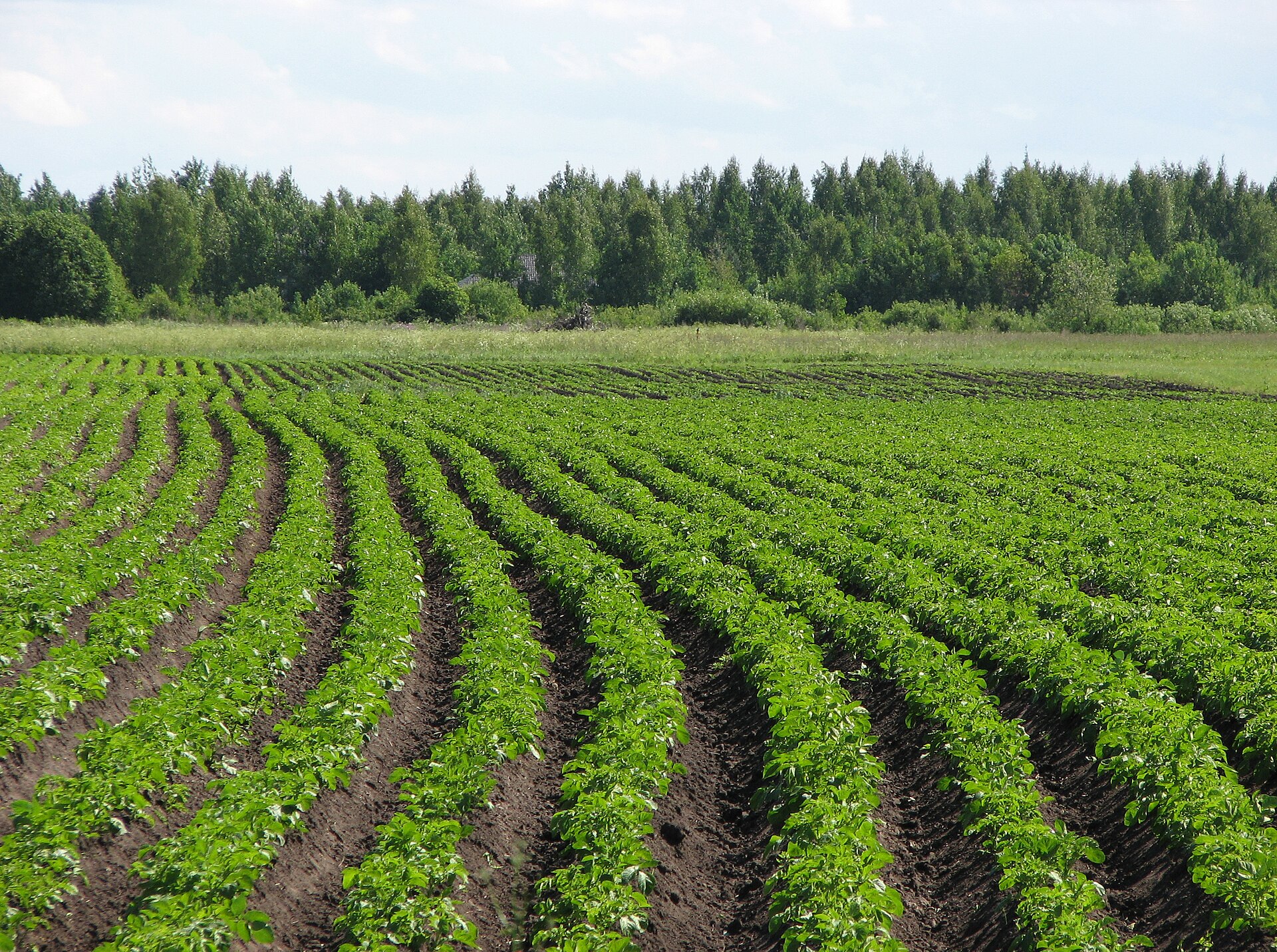
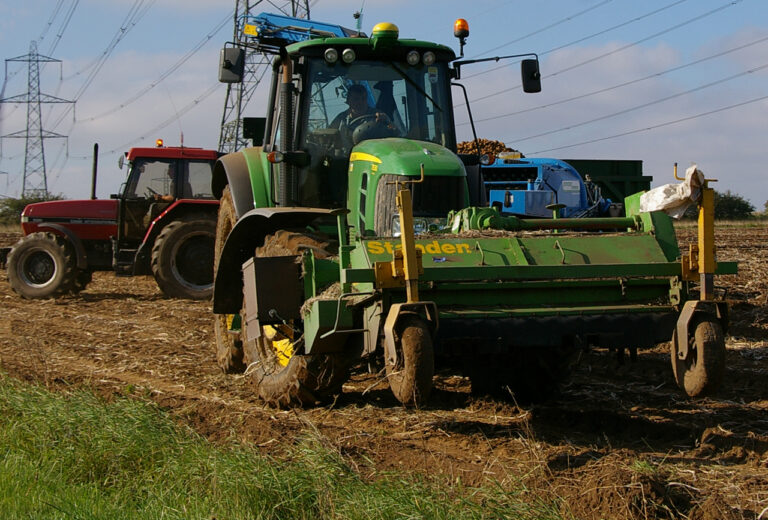
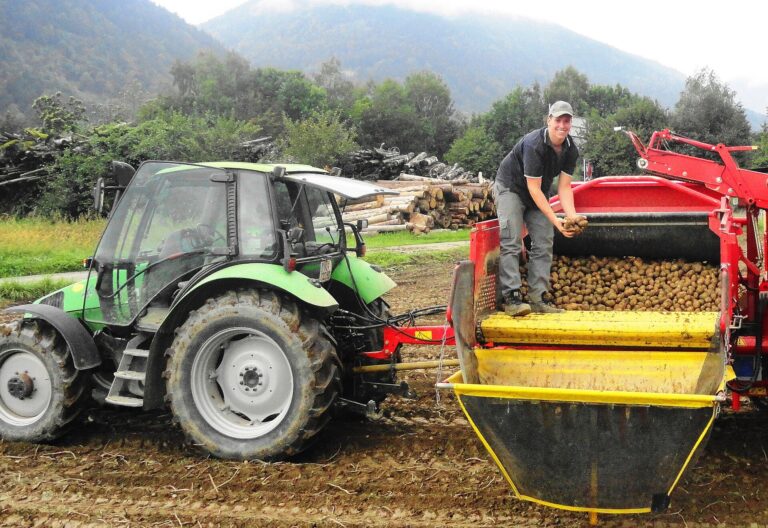
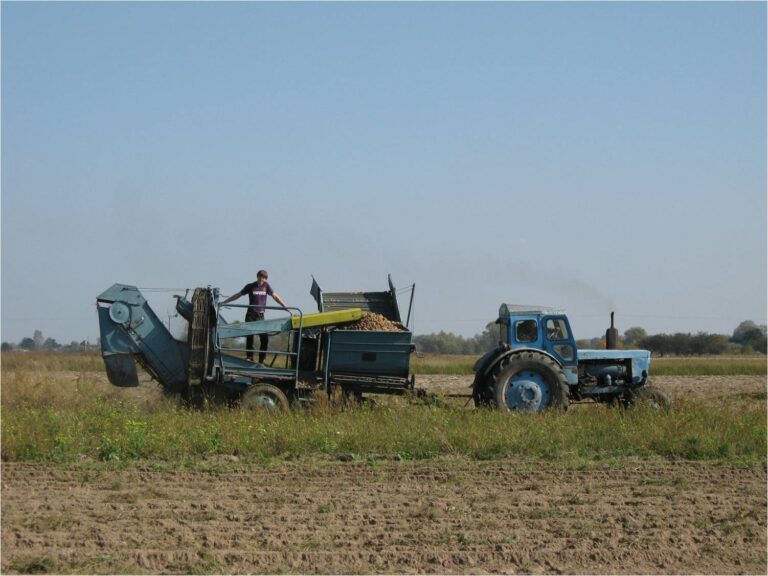
Potatoes, onions and carrots — Russia’s staple “borscht set” — are in the autumn price risk zone, with part of the Central Federal District’s potato crop lost to prolonged rains and fuel costs nearly doubling, Russian media report.
Russian consumers should expect firmer vegetable prices before the end of October, with potatoes among the most exposed items, according to a price-outlook piece published by news agency Amic (amic.ru) on 12 October.
Ingo Bank analyst Vasily Kutyin, speaking to RIAMO, put the traditional “borscht” vegetables — potatoes, onions and carrots — explicitly in the risk zone. Their cost has already been shaped by unfavourable summer weather and the high price of mechanised harvesting, he said, suggesting that the seasonal lull in prices that normally follows harvest could reverse as early as the end of October.
The supply side has taken real damage. As newspaper MK reported, part of the potato crop in the Central Federal District was lost to prolonged rains — a development that could push retailers to increase imports to cover the gap. The Central Federal District is one of Russia’s key potato-producing regions, and rain-related field losses there compound a season in which growers have also faced elevated input costs.
Yet the leading driver of coming price rises may not be the harvest volume at all. Doctor of agricultural sciences Evgeny Simakov told MK that fuel is the main factor: with fuel prices having risen almost twofold, production costs for vegetables are following. “There will be a price increase, but a minor one. It has nothing to do with the harvest. If fuel prices have risen almost twofold, that will show up in the cost of vegetables — but talk of 20–25% is out of the question,” Simakov said.
The potato forecast sits inside a broader inflation scan compiled by Amic across food categories, and that backdrop matters for how hard consumers will feel any potato uptick. Chilled and frozen chicken has risen about 14% year on year and drumsticks nearly 11%, according to Rosstat data cited by msk1.ru, with economist Denis Fedotov pointing to accumulated costs from feed and feed additives to logistics, fuel, veterinary supplies and wages. The Far East salmon season ended with record-low catches — 55,600 tonnes against an official forecast of 117,400 tonnes, per RBC-Primorye — pushing wholesale red-fish prices up between 36% and 97% depending on species, while pollock added nearly 60% in wholesale over the year amid a global cod scarcity, Kommersant reported. Beef keeps climbing as herds shrink nationwide, according to the National Union of Beef Producers, and live pig prices in the Central Federal District were already up 24% by late May, Kommersant noted. Against that lineup, a fuel-driven, moderate uptick in potato and borscht-vegetable prices looks comparatively restrained — the more so as fuel itself may be stabilising: RIA Novosti reported price declines at pumps in 27 Russian regions in early October, and the more restrained expert forecasts see gasoline adding just 1–2% per month through year-end.
For now, the expert consensus quoted in Russian media is cautious rather than alarmist: expect a modest, cost-driven uptick in potato and borscht-vegetable prices toward late October, not a spike — unless weather and fuel deliver another double blow.
Sources: Rossiyskaya Gazeta, 29 Sep 2026; Profile / AKORT, 13 Oct 2026; Mail.ru Finance, 6 Jul 2026