Global: Low-Dose Gibberellin on Seed Raises Specialty Potato Yields 11–24%, but High Doses Cut Them
Trials in Washington State and Idaho show gibberellic acid on seed pieces doubles stem numbers and shifts crops to small tubers. Low doses raised yields 11–24%, while high doses deformed stems and cut yield.
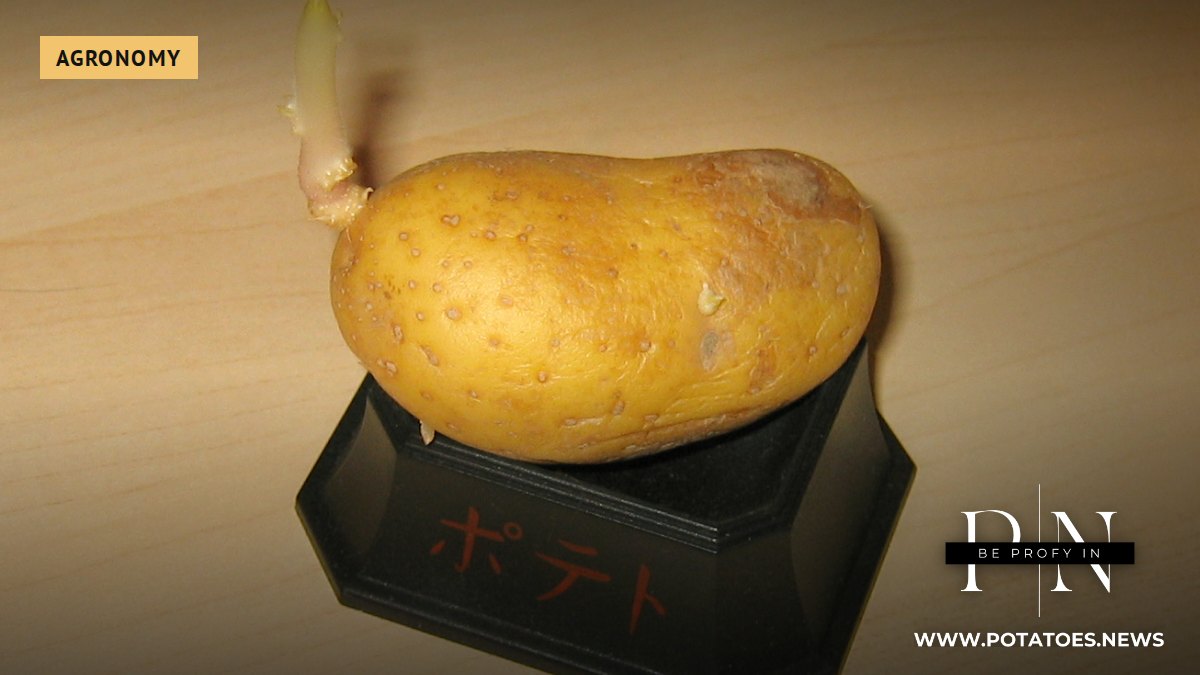
Gibberellic acid (GA) is a plant hormone that breaks dormancy and makes seed tubers send out more sprouts. Applied to seed pieces at planting, it can raise the number of stems and tubers per plant and shift the crop toward smaller sizes. Research from Washington State, Idaho and North Dakota shows that the dose and the variety decide whether this helps or harms.
At Washington State University, Jacob Blauer, Lisa Knowles and Richard Knowles tested GA on five specialty cultivars: Cal White, Red La Soda, Chieftain, Yukon Gold and Satina. In the American Journal of Potato Research (2013) they report that GA sped up emergence, increased stem and tuber numbers per plant, and reduced average tuber size. At 0.5–4 mg per litre, yields rose by 11–24% in most cultivars. At 10 mg per litre, yields fell in all cultivars. The yield of small “creamer” tubers (C size, 10–66 g) rose by 0–140%, depending on cultivar and season length. Total crop value rose by 7–30%, with Chieftain at the top. Chieftain also gave 36% more tubers per hectare, while Cal White and Satina showed no response.
In Idaho, Mike Thornton of the University of Idaho ran three years of trials on the red variety Chieftain, Potato Country reported in 2023. ProGibb 4% was sprayed on freshly cut seed at 0, 0.5, 1 and 2 ml per ton. It shortened emergence by about seven days and more than doubled the stem number per plant. In the water check, about 90% of the yield was in the “A” size class. The lowest rate, 0.5 ml per ton, cut the A share by one-third and doubled the B and C sizes. The highest rates caused deformed stems that took weeks to recover, cut yield by 40–50 cwt per acre, and made tubers slightly longer.
In North Dakota, NDSU extension agronomist Andy Robinson tested GA and other growth regulators on 10 cultivars. Some responded with faster emergence, more stems and taller plants, and some did not respond at all. Several showed tuber elongation and a change in tuber size profile, but yield increases were rare. He concludes that sensitivity depends on variety and seed age.
Why it matters
Markets for small potatoes, such as creamers and baby potatoes, pay for tuber number, not for large size. A seed treatment that costs little can shift the grade toward these sizes. But the window is narrow: a small overdose can deform stems, cut yield and change tuber shape.
Growers should test low rates on each variety and seed lot before using GA on a whole field, and should not expect a yield gain in every case.
Photo: A sprouting potato tuber (illustrative). Unknown author / Wikimedia Commons, CC BY-SA 2.0