El Salvador Expands Farm Support as El Niño Threatens Rain-Dependent Producers
El Salvador has supported more than 100,000 farm families and expanded irrigated area as El Niño threatens rain-fed crops.
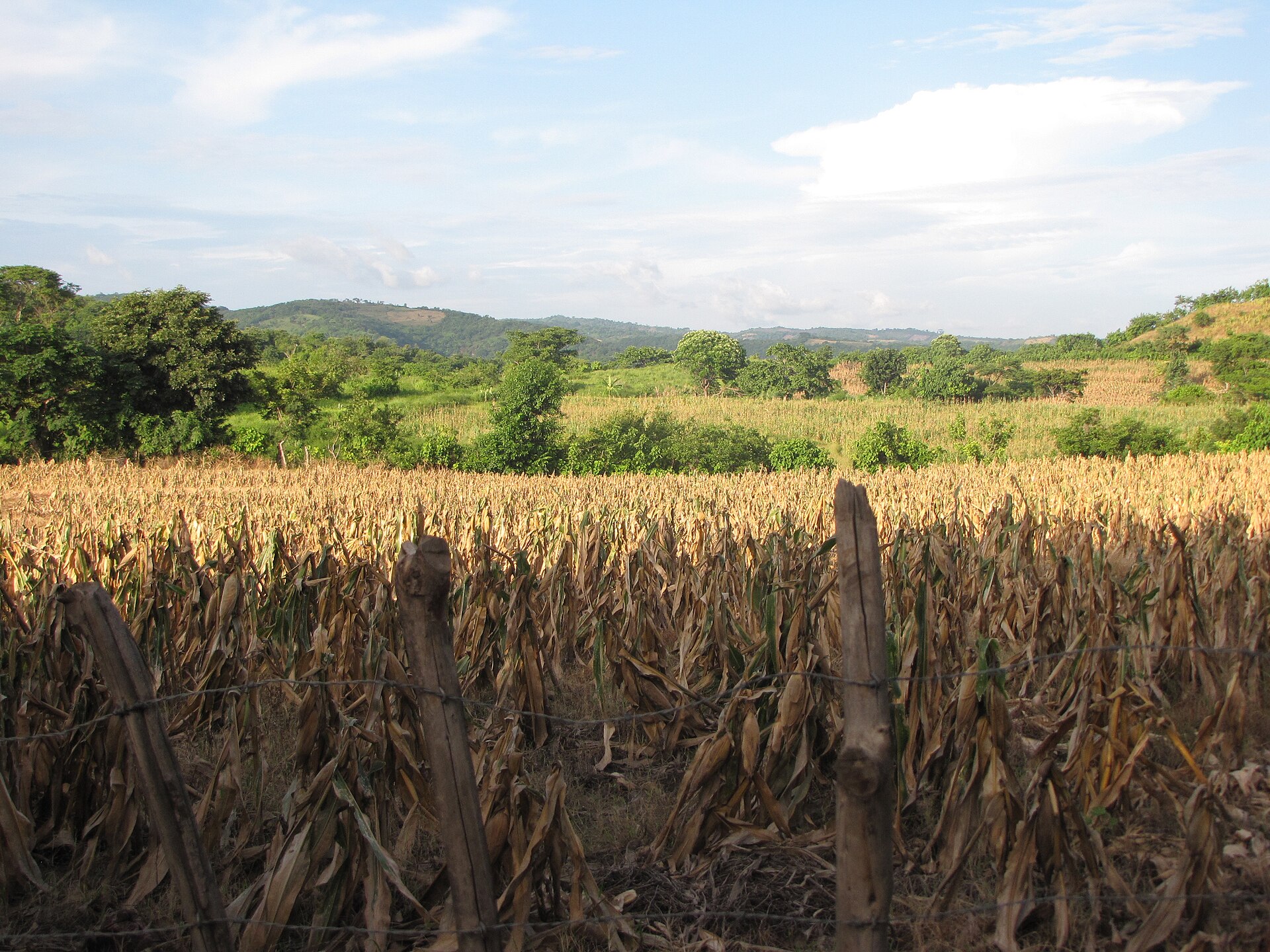
El Salvador’s government will widen assistance to subsistence farmers and rain-dependent rural families ahead of a potentially strong El Niño, extending a programme that has already reached more than 100,000 households, according to the Ministry of Agriculture and Livestock (MAG).
El Salvador is moving early against El Niño. The government announced it will expand assistance for subsistence farmers and rural households that depend directly on rainfall, citing the possible effects of a strong El Niño event, Diario El Mundo (El Salvador) reported on 12 October.
Deputy Minister of Agriculture and Livestock Óscar Domínguez explained that the declaration of emergency will allow the country to significantly increase the number of beneficiaries and reinforce protective measures for the most vulnerable productive sectors. According to the MAG, more than 100,000 families have already received support through actions developed together with the World Food Programme (WFP), the UN Food and Agriculture Organization (FAO) and the Inter-American Institute for Cooperation on Agriculture (IICA). The new phase aims to extend that coverage, especially among smallholders who produce for their own consumption and rely on rainfall to sustain their crops.
The backbone of the effort is the so-called Production Increase Programme. It began with a modest 130 manzanas and now exceeds 160,000 manzanas planted with vegetables, fruits and basic grains, the ministry says. Authorities frame the goal in food-security terms: raise the availability of domestically produced food and reduce vulnerability to climate shocks, international price swings and possible supply interruptions.
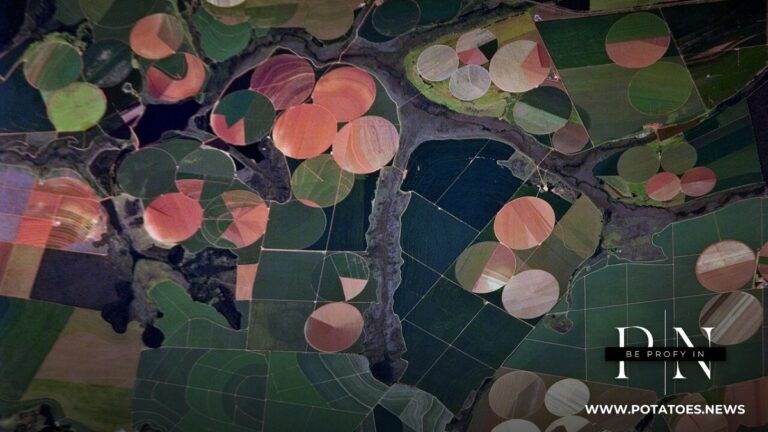
Irrigation is central to the strategy. More than 3,500 manzanas dedicated to vegetable production already have irrigation systems, and the government states that over 70% of the area planted with basic grains now has auxiliary irrigation; the remainder lies in zones considered favourable for their rainfall regime. The package also includes high-yield seed, technology adoption, agricultural mechanisation and technical assistance to raise farm productivity.
The ministry cites striking yield results in participating establishments: maize reportedly climbed from roughly 40 to 140 quintals per manzana, beans from 15 to 50 quintals, while some tomato growers managed to multiply their previous volumes up to sixfold. Officials attribute the gains to seed quality, agronomic management and new technology. The programme’s first harvest came in 2024, and the productive area has kept expanding since.
Facing the climate risk, the Salvadoran government says it will seek to guarantee food supply by strengthening national production and, when necessary, complementary imports.
For the Central American potato and horticulture sector, the announcement matters beyond El Salvador’s borders: government-backed irrigation, seed and mechanisation programmes of this scale can shift regional supply balances for staple vegetables — potatoes included — over the coming seasons.
Sources: Diario El Mundo, 12 Oct 2026; dinero.com.sv, 20 Jul 2026