Big Potatoes, Tighter Choices: US Harvest Advances While Large Russets Stay Scarce
Markon reports Idaho, Washington, Wisconsin and Colorado harvests advancing with good quality, while large russets stay scarce and Idaho acreage is down.
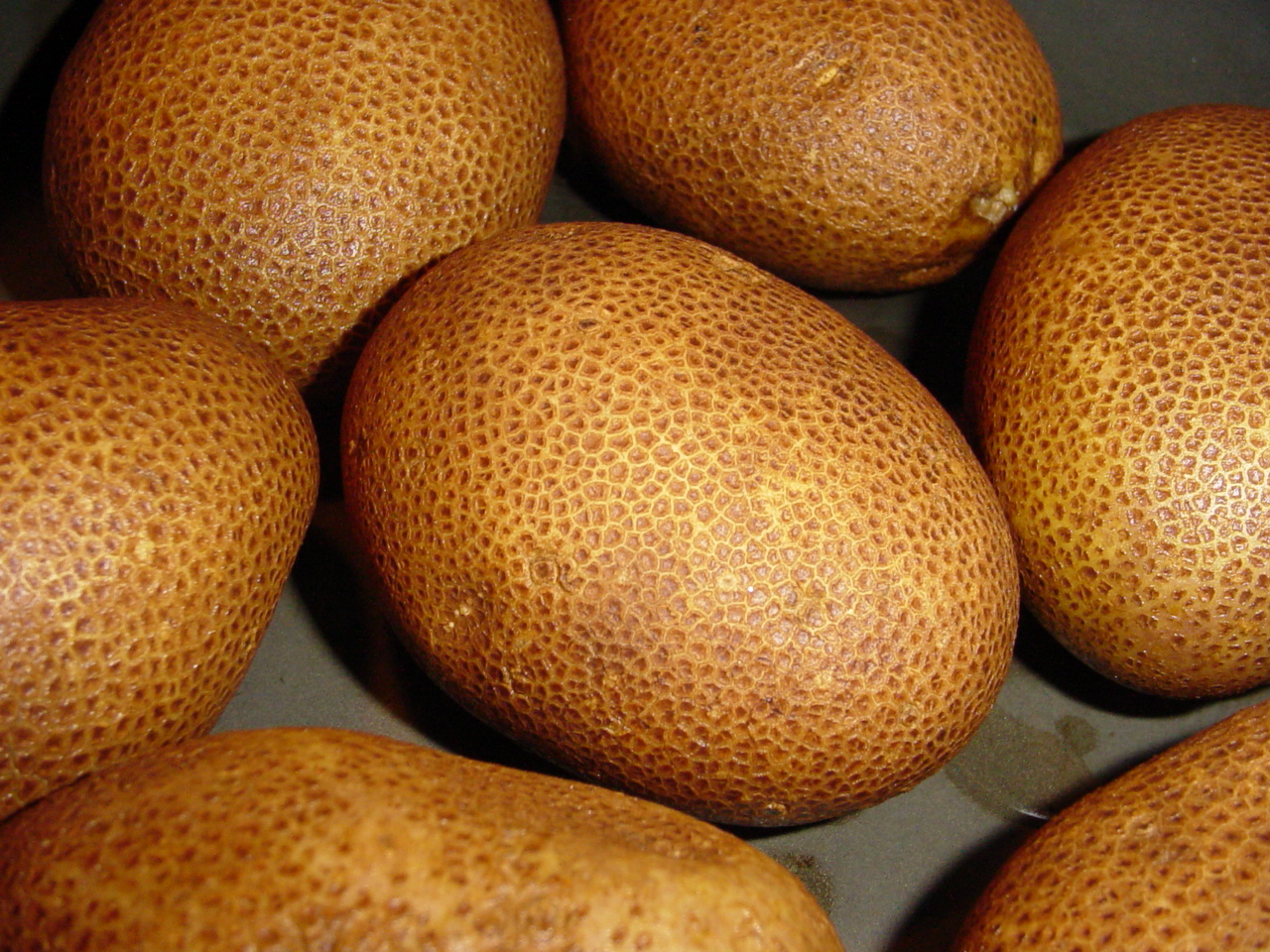
Markon’s 5 October update shows new-crop harvest progressing in Idaho, Washington, Wisconsin and Colorado with good quality — but limited large-size Idaho russets and strong demand for big counts in Washington keep that segment tight.
The US potato harvest is progressing across several major producing states, but buyers seeking large russets still face a more constrained market than field activity might suggest, Lukie Pieterse wrote in Potato News Today on 8 October, drawing on Markon’s 5 October market update.
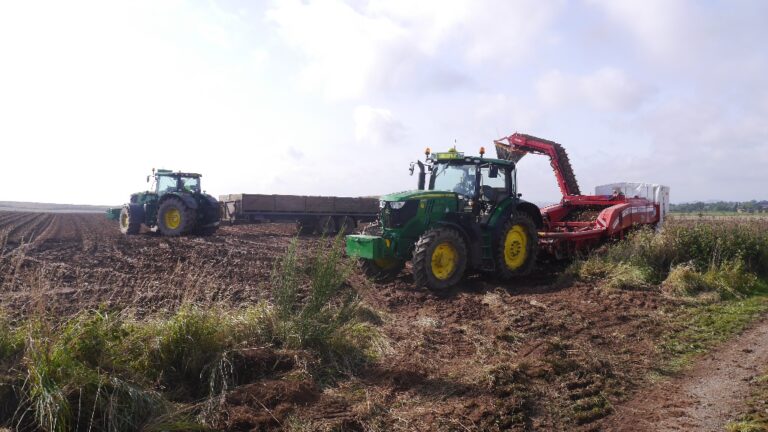
Markon reports new-crop harvesting in Idaho, Washington, Wisconsin and Colorado. Idaho Norkotahs are available, with lifting expected to continue into mid-to-late October. Wisconsin growers expect to finish around mid-October, while Colorado’s remaining harvest was expected to take another one to two weeks from the report date. Washington has a good range of sizes, but strong demand for larger potatoes is maintaining higher market levels there. Markon describes quality as good and prices as steady in each of the four states. Those dates are supplier expectations, not guaranteed deadlines — and the report provides neither a percentage of acreage lifted nor an estimate of crop remaining underground.
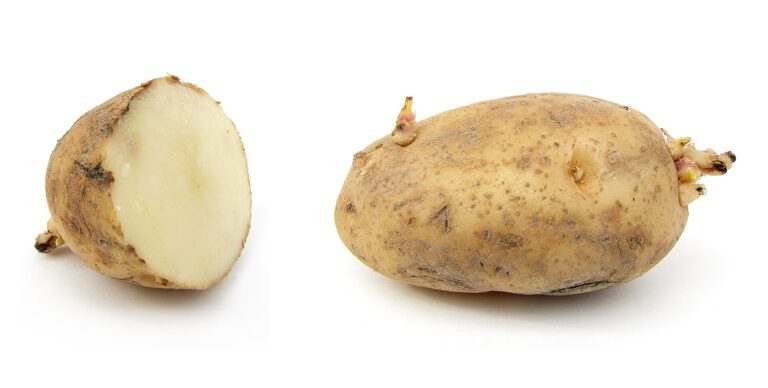
The size question deserves unpacking for readers outside the North American foodservice trade. The Idaho Potato Commission explains that russet cartons contain 50 pounds, with the count referring approximately to the number of potatoes per carton: a lower count means a larger tuber. A 50-count carton averages roughly one pound per potato. That is why a size shortage can persist alongside wider availability — additional smaller potatoes cannot fill an order for large baking potatoes, and a restaurant buying a particular portion size may need to revisit specification, serving format or menu price before accepting a substitute. USDA’s Agricultural Marketing Service grading framework makes a related distinction: U.S. No. 1 requirements cover firmness, cleanliness, shape and freedom from specified diseases and damage, alongside size provisions — so a potato can be sound and commercially useful while falling outside a customer’s preferred count.
Idaho’s background adds context, though the final result remains unknown. Separate PotatoPro reporting on 5 October, drawing on Capital Press interviews conducted in September, describes Idaho growers facing lower yields after a season of frost, heat, warm nights and wildfire smoke; the Idaho Potato Commission’s field-level estimate put planted area at 298,915 acres, roughly 13,000–16,000 fewer than the previous year, depending on the source. Growers also observed smaller size profiles and uneven performance — accounts that support caution but are not a final statewide estimate. Markon itself cites average to slightly below-average Idaho yields and strong processor demand as contributors to tighter conditions, without quantifying processor volumes.
As harvest finishes, the emphasis shifts to storage. University of Idaho guidance identifies curing, environmental control and prevention of sprouting, rot and sugar accumulation as central to successful storage; potatoes keep respiring after harvest, influenced by cultivar, maturity, handling, disease, stress, temperature and ventilation. The volume placed in a store and the volume eventually meeting a customer specification need not be identical — a commercial reality winter buyers should track.
The measured conclusion: potatoes of good quality are available as harvest progresses, but certain large russet specifications remain harder to obtain. Buyers should manage orders around that distinction and refresh assessments as more of the crop is graded and stored — and read “elevated” prices (a level) carefully against “steady” prices (a movement). Markon’s update supplies no numerical quotations for the current large-size premium; USDA’s daily spot reports fill that gap.
Sources: FreshPlaza, 9 Oct 2026; FreshPlaza, 10 Sep 2026; USDA AMS National Potato and Onion Report, 9 Oct 2026